


The Complete Guide to Office Chair Assembly and Tuning
Setting up a workspace often starts with a flat box and a tangle of metal parts. Building a reliable office chair requires more than just tightening a few bolts by hand.
Every screw, washer, and tension spring plays a specific role in keeping your posture stable throughout the day. Neglecting the small steps during initial construction usually leads to annoying wobbles and premature hardware failure.
Essential Fastening Tools and Hardware
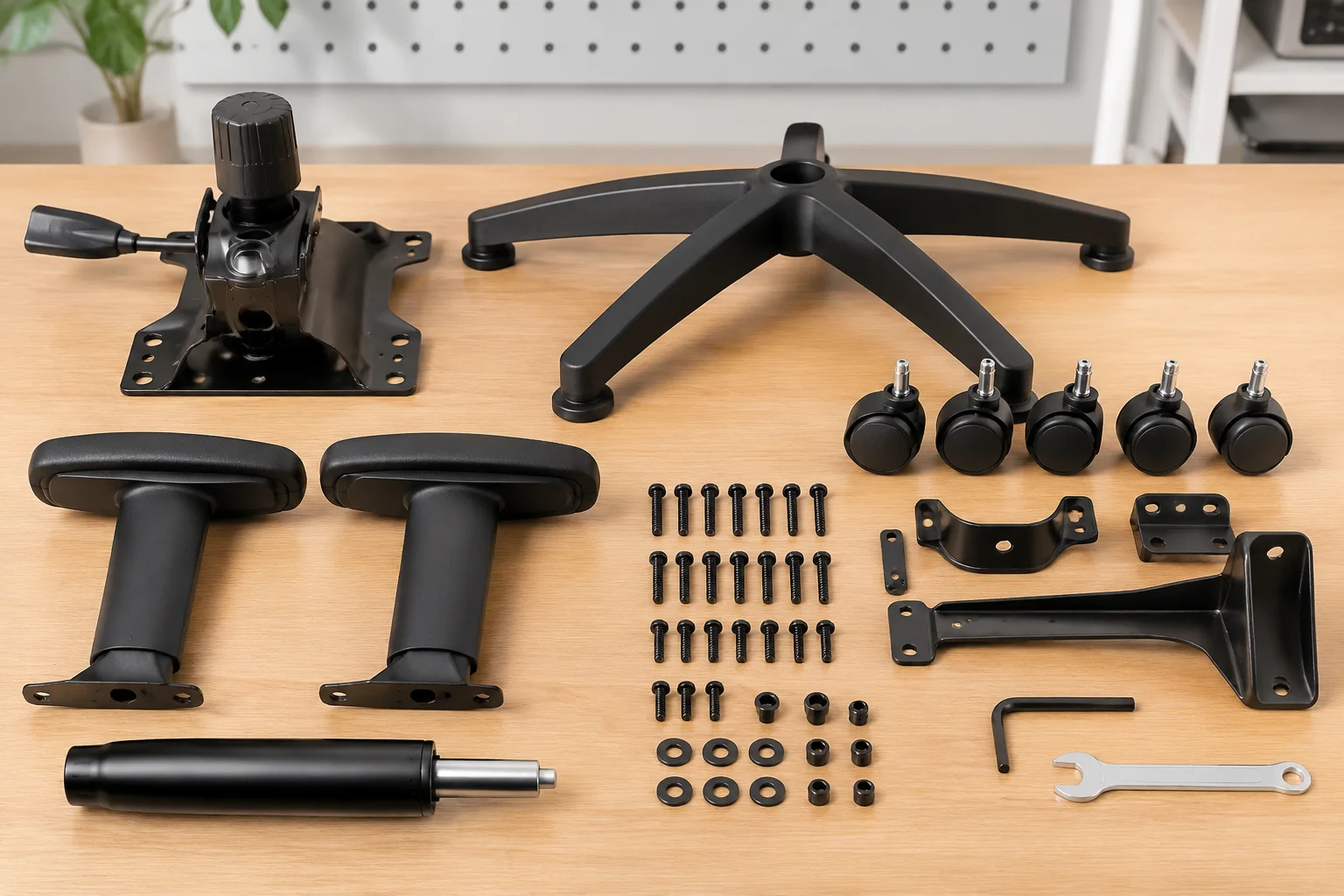
The foundation of any sturdy chair rests on its fasteners. Most models rely on socket head cap screws and hex keys rather than standard Phillips head screws. This design allows for higher torque without stripping the metal.
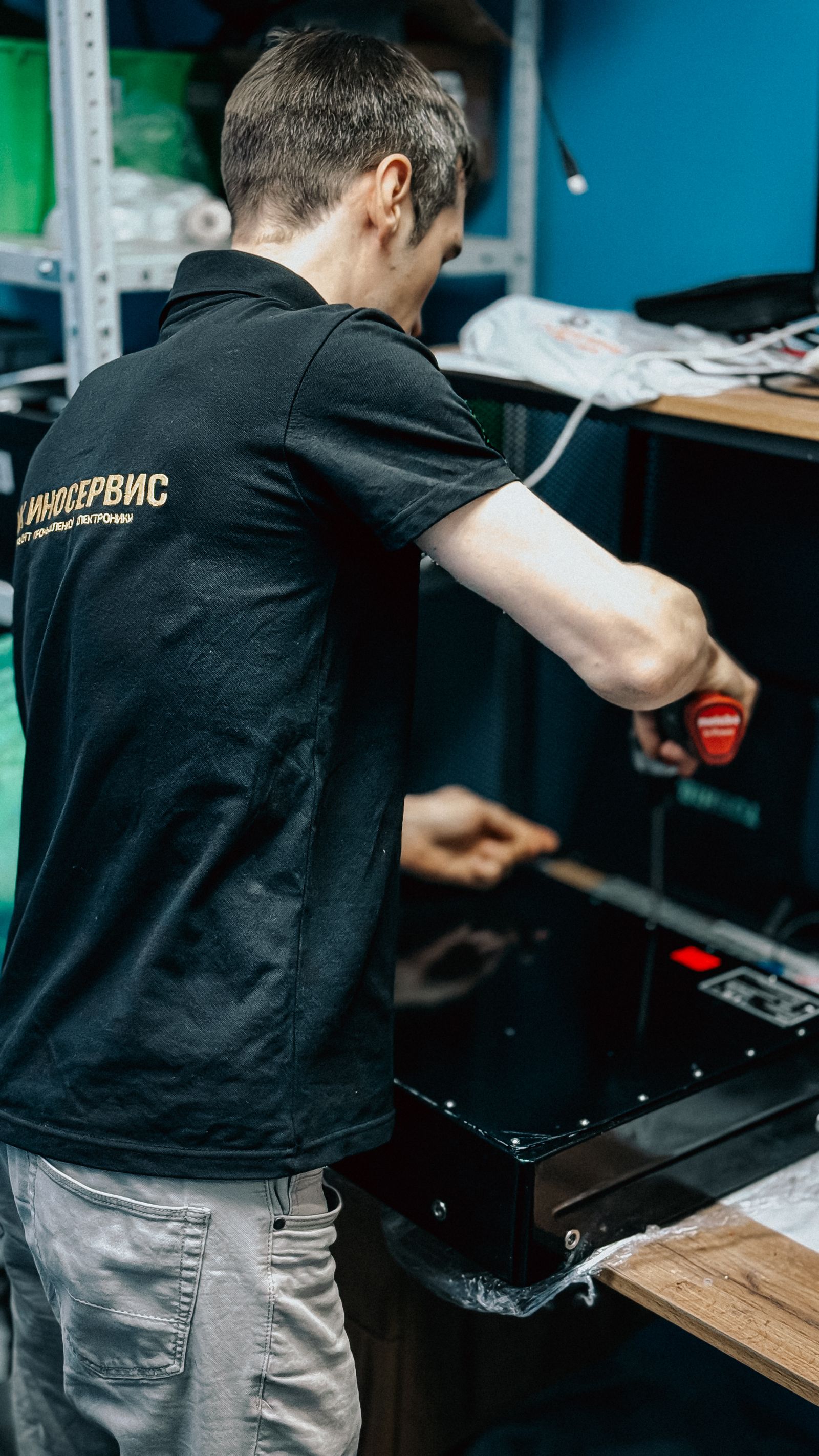
A proper toolkit includes a quality metric hex wrench set and sometimes a cordless drill with a torque-limiting clutch. Over-tightening can crush internal threads, while loose bolts create dangerous instability when you lean back.
Upholstery Equipment and Fabric Care
Stretching mesh or leather tightly over a foam cushion requires specialized tensioning equipment. Pneumatic staplers and hog ring pliers are standard equipment for securing upholstery without tearing the fabric.
Protecting the outer layer from friction points extends the lifespan of the seat considerably. Good manufacturing ensures that staples remain hidden beneath protective plastic trim.
- Inspect every bolt for thread locker before installation.
- Keep a magnetic tray nearby to catch loose washers.
- Align armrest brackets before tightening vertical screws.
- Check the gas cylinder O-ring for any visible cracks.
- Test the lumbar support track with smooth manual slides.
Adjustment Mechanisms and Precision Components
The control box underneath the seat houses the most complex engineering of the chair. Levers connect to internal cables and cams that manage height, tilt angle, and seat depth.
Precision components reduce friction between moving steel plates. Without smooth internal movement, adjusting your posture becomes a frustrating daily struggle.
Why Careful Assembly Matters for Durability
Cutting corners during the build phase compromises the structural integrity of the entire chair. Load distribution depends entirely on even tightening across all four corners of the mechanism plate.
Taking your time with the initial setup prevents annoying squeaks and structural fatigue. A well-assembled chair absorbs daily movement naturally and supports your back for years.











Comments
I never realized how much proper tension control matters for lower back support. The guide on tightening the tilt mechanism was extremely useful.
Anahit Harutyunyan
Following these assembly tips made a huge difference. My chair finally feels solid, and adjusting the armrests took only a few minutes with the right hex wrench.
Davit Grigoryan
Building my new work chair felt much less intimidating after reading through the tool list and step-by-step fastening advice here.
Mariam Sarkisyan